Página de inicio
Tiempo Los Angeles
Radar del Tiempo
Radar de lluvia
Radar de temperatura
Radar de viento
Radar de rayos
Noticias
Recomendado
Descubre la aplicación
Widget del tiempo
Contacto
Apps
Página de inicio / Noticias /

The perfect fire recipe - Dry vegetation, low humidity and winds

06:00 PM
7 de septiembre de 2025

The perfect fire recipe
Dry vegetation, low humidity and winds

Ajustes de contenido externo

Datos

A region’s peak wildfire season varies throughout the year. In some places, fire season is year-round, with peaks a few times a year.

Regardless of the season, three main ingredients get a fire going and, at times, spreading fast: drought or dry vegetation, low relative humidity, and winds.

Before these ingredients come into play, there first needs to be a spark. Fire ignition can be caused by cigarette butts, a still-burning match, smoldering, a small (controlled) fire pit, a hot tailpipe, or even lightning. Knowing the causes of ignition can help us easily understand that humans cause 9 out of 10 wildfires in the United States.

Once a fire is ignited, dry vegetation helps fuel the fire. Low humidity brings dry air, which helps fires spread easily. The wind provides all the oxygen needed to spread the fires. The more wind, the more the fires spread, often making these fires behave erratically.

1/3

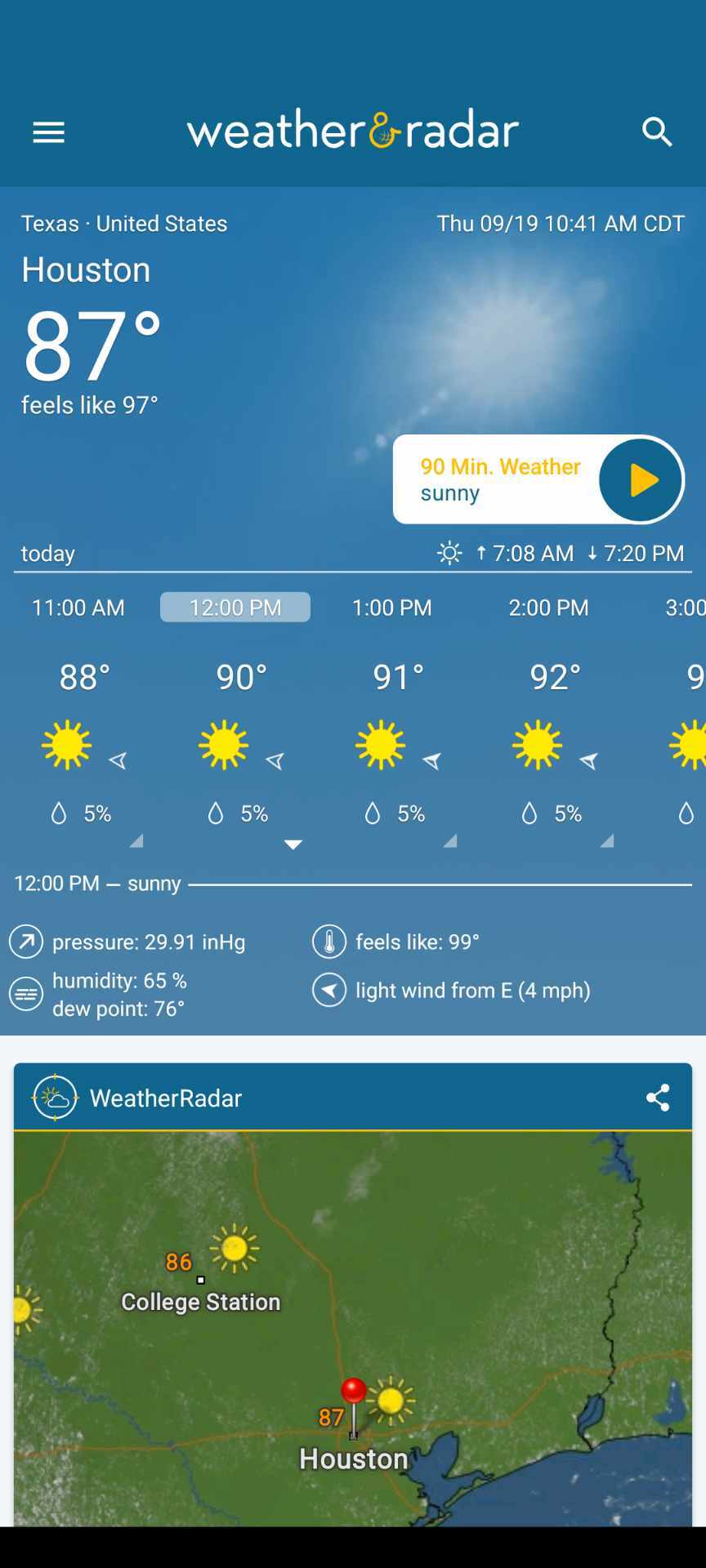
Depending on the region, the fall and spring bring drastic changes in temperatures and large swings in the amount of moisture available in the air, or what we call “the dew point temperature.” You can see the current dew point at your location in our app. Remember, the lower the dew point, the less moisture available in the air. The higher it is, the muggier it will feel, especially if that number is close to the actual air temperature.

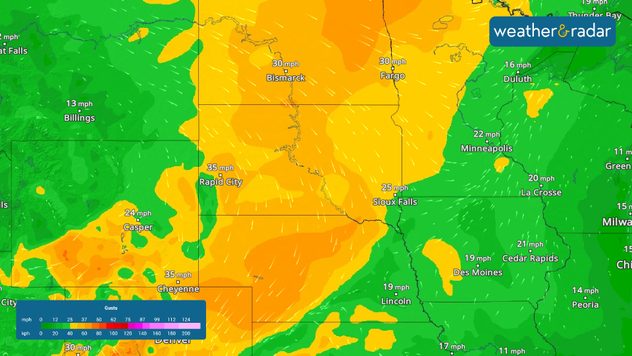
Make sure to check out the WindRadar for the latest wind speeds and their forecast. In our app, you can see the dewpoint temperature for your location, too. Remember, relative humidity doesn't always tell you exactly if fires are more prone to be spread.

Irene Sans
Noticias destacadas
A la izquierda, un lago helado con nieve y hielo, con orillas llanas al fondo. A la derecha, un mapa de temperaturas de Hungría con grados bajo cero muy bajos.
lunes, 19 de enero de 2026

Tras nueve años

Lago Balaton en Hungría se congela
Imagen dividida que muestra el TemperatureRadar a la izquierda y un hombre en un clima frío a la derecha.
sábado, 31 de enero de 2026

Medición del frío

Comprender la sensación térmica
El radar de temperatura muestra hasta 50 grados en el sureste de Australia.
lunes, 26 de enero de 2026

Casi 50 grados

Calor extremo en Australia
Más noticias
Te puede interesar
Consejos de seguridad para conducir en la nieve
domingo, 25 de enero de 2026

Seguridad vial en nieve

Consejos esenciales para conducir en invierno
domingo, 1 de febrero de 2026

Vistazo general

Frío estancado en el Este, el cálido en el oeste, otro frente
martes, 3 de febrero de 2026

Máximas más cálidas

La lluvia derrite el hielo del sur
Todas las noticias
Weather & Radar
US
Clima & Radar Brasil
Hava durumu & Radar Türkiye
Időjárás és Radar Magyarország
Καιρός & Ραντάρ Ελλάδα
Météo & Radar Belgique (Français)
Météo & Radar France
Meteo & Radar Italia
Meteo & Radar România
Météo & Radar Suisse (Français)
Meteo & Radars Latvija
OrasOnline Lietuva
Počasí & Radar Czechia
Počasie & Radar Slovensko
Pogoda & Radar Polska
Погода & Радар Україна (українська)
Tempo & Radar Portugal
Tiempo & Radar Argentina
Tiempo & Radar España
Vejr & Radar Danmark
Vreme & Radar Slovenija
Vreme & Radar Srbija
Vrijeme & Radar Bosna
Vrijeme & Radar Crna Gora
Vrijeme & Radar Hrvatska
Време & Радар България
Времето & Радар Macedonia
Weather & Radar India (English)
Weather & Radar Ireland
Weather & Radar United Kingdom
Weather & Radar USA (English)
Weer & Radar België (Nederlands)
Weer & Radar Nederland

Tiempo y Radar también está disponible en

Google Play StoreApp Store

Compañía

Contacto Protección de datos Aviso legal Declaración de accesibilidad

Servicios

Subir imagen

Redes sociales

instagramyouTube